Where once Rumaila relied on paper records, cutting-edge technologies now provide comprehensive understanding of Rumaila’s complex reservoirs.
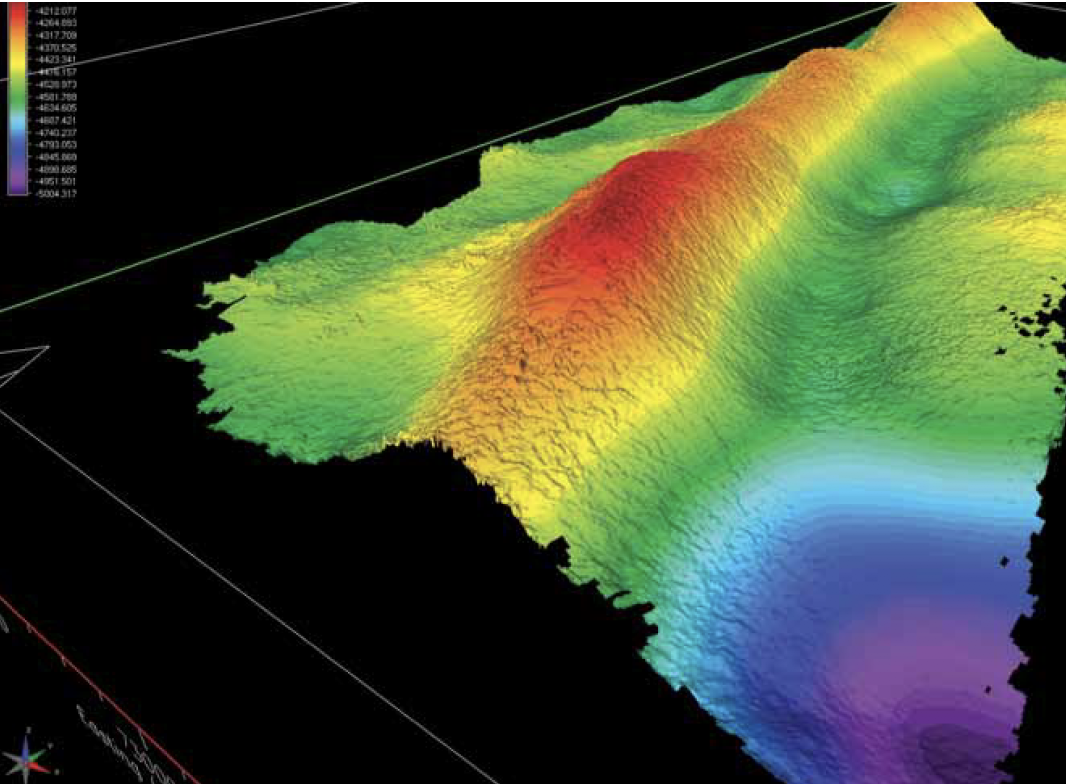
Utilizing exceptional bp proprietary technology, our 1,800 km² seismic survey was at the time one of the largest of its type anywhere in the world. Supported by bp’s Middle East support team in Sunbury, UK, this data provided 3D imagery of the field’s subsurface for the first time – enabling some 9,000 cubic kilometres to be mapped.
Reservoir simulation models are now used to simulate different geological scenarios and provide insight into the best way to recover oil. This is gained by integrating data from multiple sources to better understand the composition and deposition of our reservoirs.
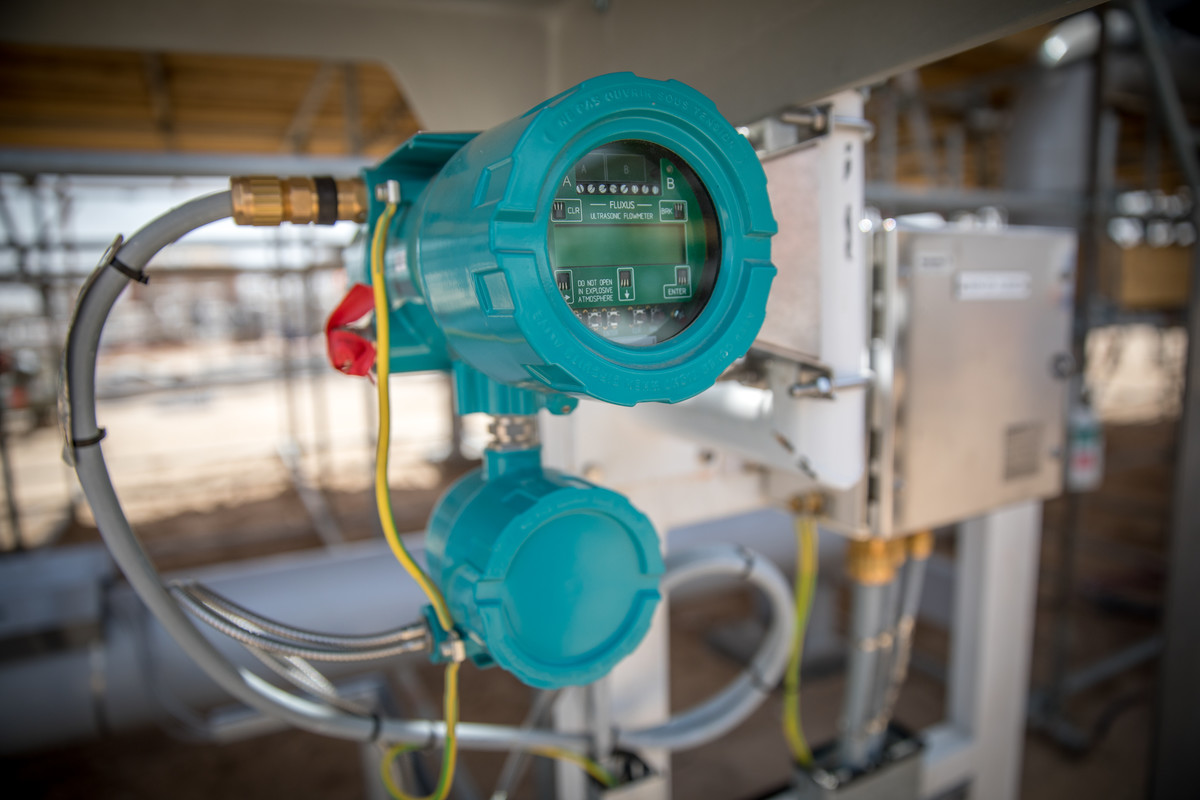
Wireless Remote Telemetry Units (RTUs) installed at 500 wellheads, 14 degassing stations, five cluster pump stations, as well as multiple manifolds and pipelines are now able to provide valuable pressure and temperature information to relevant people at Rumaila HQ.
Industry-leading tools include:
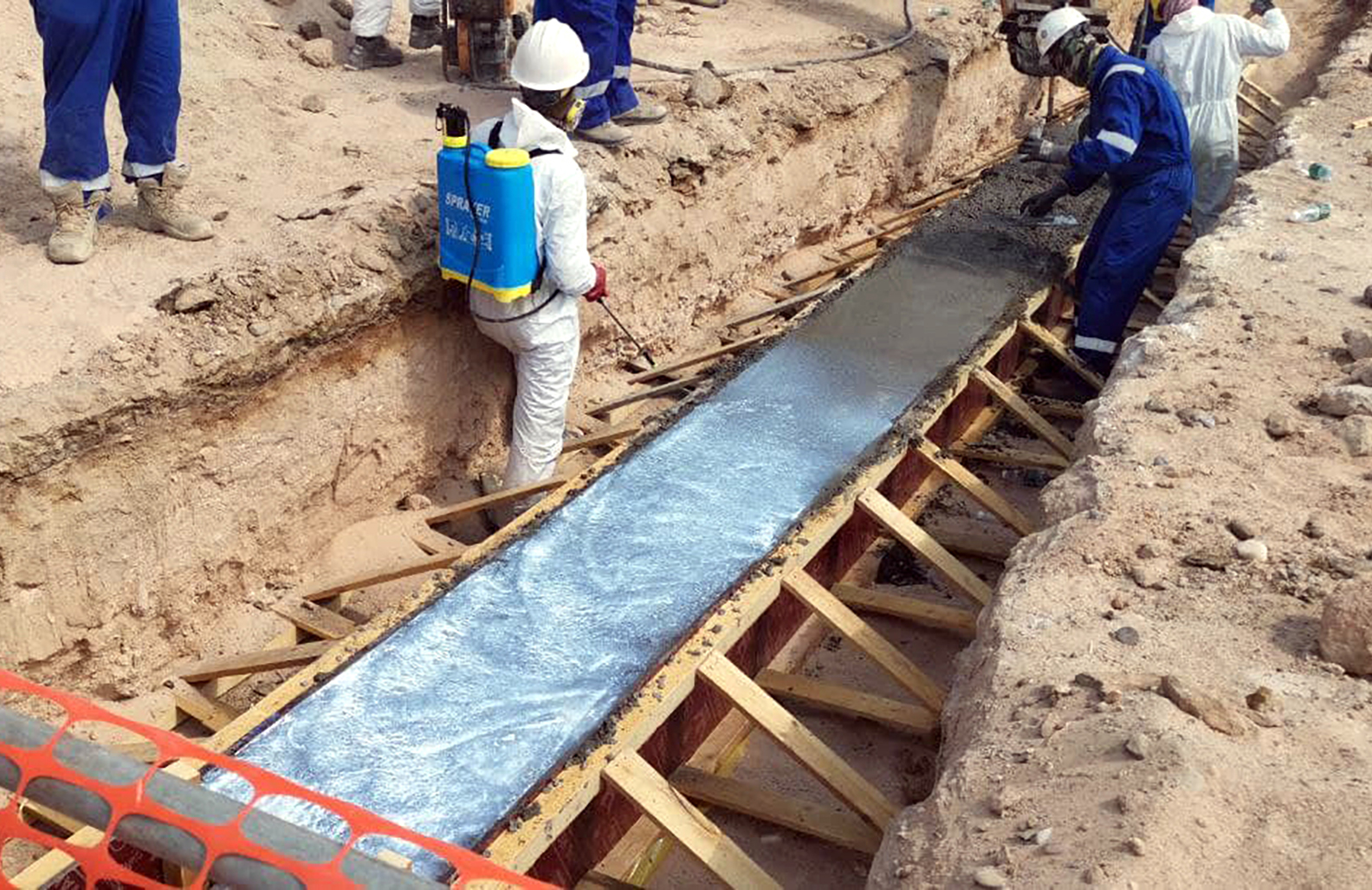
In June 2021, work began to prepare the ground for the laying of more than 2,000km of fibre optic cabling. This will provide:
The full field fibre project continued apace in 2025. The new communications network, which will position Rumaila to be among the most digitally advanced oilfields in the Middle East, will provide high-speed, secure and reliable communications across the concession and enable further digitalization in Rumaila’s operations. Achievements in 2025 included linking key sites such as cluster pump station (CPS) 6, CPS-5, DS-2, south intermediate DS and CPS-1.